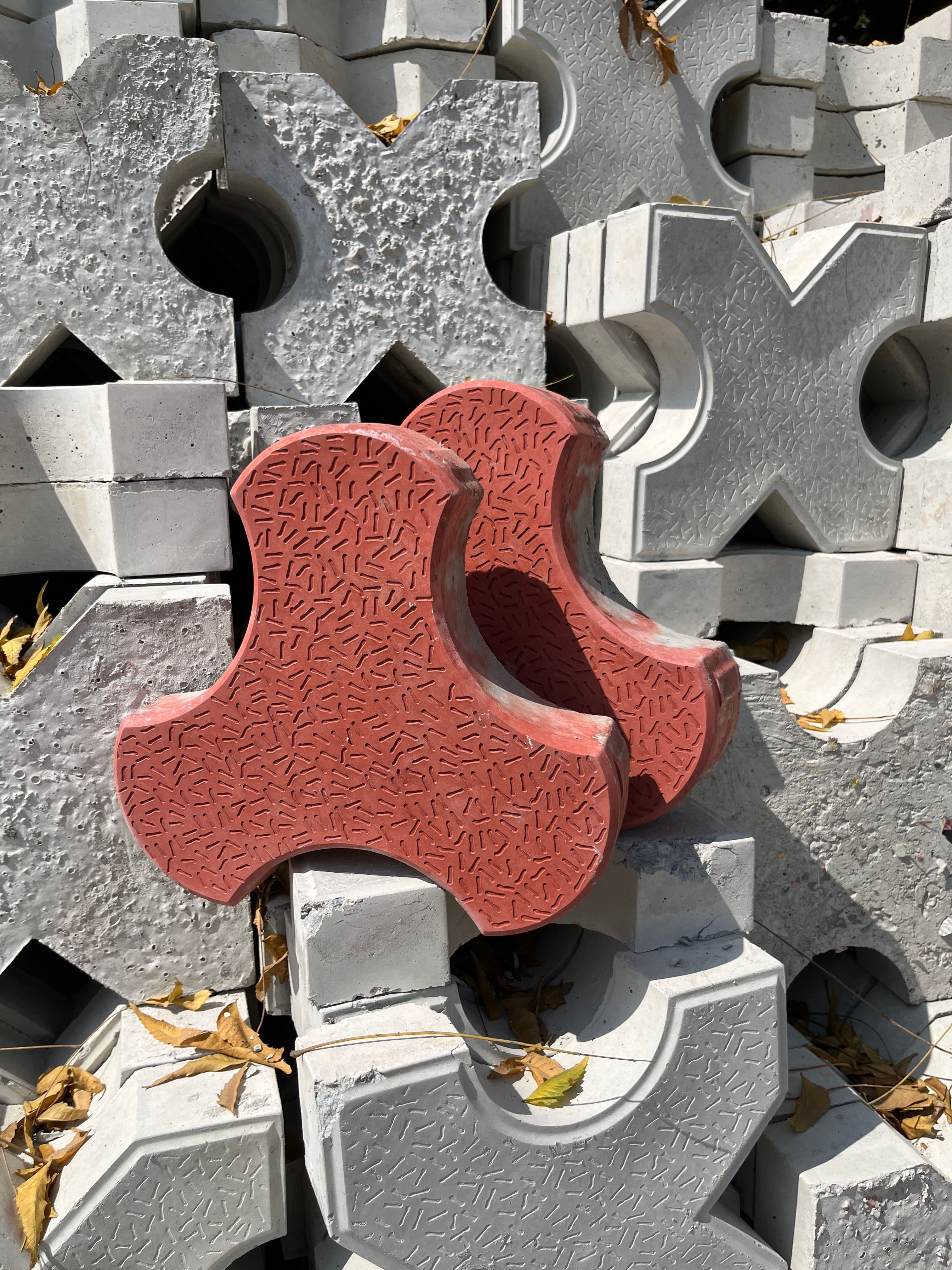
60mm vs 80mm Paver Blocks: Which Thickness Should You Choose?
When choosing interlock pavers for parking, driveway, pathway, or outdoor paving, one common question is whether to use 60mm or 80mm paver blocks.
Both thicknesses can be useful, but the right choice depends on site use, expected movement, base preparation, compaction, product design, quantity, and budget. Thickness alone does not guarantee performance. The complete paving system matters.
Quick answer
For lighter use areas, 60mm paver blocks are commonly discussed. For heavier vehicle movement or more demanding site use, 80mm paver blocks are usually considered.
60mm pavers are generally considered for lighter use. 80mm pavers are generally considered for heavier movement areas.
Final selection should always be based on actual site condition, expected load, base preparation, compaction, drainage, and installation quality.
Where 60mm paver blocks are commonly used
60mm paver blocks are often discussed for practical paving requirements where the expected use is lighter compared to heavy vehicle movement.
Common use cases include:
- Residential pathways
- Walkways
- Garden and landscape areas
- Light parking areas
- Building entrance areas
- Outdoor utility surfaces
- Pedestrian movement areas
- Low to moderate use external paving
For many normal site requirements, 60mm pavers can be a practical option when the base preparation and laying work are done properly.
Where 80mm paver blocks are commonly used
80mm paver blocks are usually discussed when the site may see heavier movement, more frequent vehicle use, or stronger durability expectations.
Common use cases include:
- Parking areas with regular vehicle movement
- Driveways
- Commercial outdoor paving
- Site access areas
- Industrial or institutional premises
- Areas where heavier loading may be expected
- Paving where stronger thickness preference is required
An 80mm paver is thicker and heavier than a 60mm paver of the same design. This affects handling, transport, unloading, rate, and site planning.
60mm vs 80mm paver blocks: practical comparison
1. Thickness
The main difference is thickness. A 60mm paver is thinner, while an 80mm paver has more depth.
- 60mm paver block: 60mm thickness
- 80mm paver block: 80mm thickness
For the same paver design and top size, the visible top coverage usually remains the same. Thickness changes weight, material use, handling, and suitability discussion.
2. Use case
Use case is the most important factor. A site used mainly for walking does not have the same requirement as a site used for vehicle movement.
- 60mm: commonly considered for pathways, landscape areas, light parking, and general outdoor paving
- 80mm: commonly considered for parking, driveways, heavier movement areas, and commercial outdoor paving
If the area will regularly handle vehicles, discuss the requirement clearly before finalizing thickness.
3. Base preparation
Base preparation is critical. Even a thicker paver can perform poorly if the base is weak, uneven, poorly compacted, or badly drained.
Important base-related factors include:
- Subgrade condition
- Compaction quality
- Sand bedding layer
- Drainage slope
- Edge restraint
- Joint filling
- Installation workmanship
Thickness should be selected along with proper base preparation, not as a standalone decision.
4. Weight and handling
80mm paver blocks are heavier than 60mm paver blocks of the same top size. This affects loading, unloading, labour handling, and transport planning.
- 60mm pavers are easier to handle compared with 80mm pavers
- 80mm pavers need more careful loading and unloading planning
- Higher thickness usually increases total material weight
- Transport and unloading cost may change with quantity and product weight
5. Price
80mm paver blocks generally cost more than 60mm paver blocks because they use more material and are heavier to handle and transport.
Final rate can vary based on:
- Product design
- Grade or mix requirement
- Colour
- Finish
- Quantity
- Delivery location
- Transport distance
- Unloading support
- Site access
AR Precast shows starting prices only. Final quotation depends on selected product, thickness, colour, quantity, and delivery location.
Does 80mm always mean better?
Not always. 80mm pavers are thicker, but that does not automatically make them the best choice for every site.
For a simple walkway or low-use landscape area, 80mm may be more than required. For a parking or driveway area, 80mm may be more suitable depending on actual use and base preparation.
The better question is not “which is stronger?” The better question is:
Which thickness is suitable for this site use, traffic, base condition, and budget?
Does thickness change the number of pieces required?
Thickness usually does not change the number of pieces required if the top size and product design are the same.
For example, a 60mm Zig Zag Paver and an 80mm Zig Zag Paver with the same top coverage will cover the same area per piece. The quantity for the same area will remain similar.
Thickness affects:
- Weight
- Rate
- Handling
- Loading and unloading
- Transport planning
- Use-case suitability
It usually does not affect top area coverage when the paver shape and top size remain the same.
Example: 60mm and 80mm paver quantity
For the same top coverage, the piece requirement remains similar.
Zig Zag Paver 250 × 120 mm
- 60mm Zig Zag Paver: about 3.10 pieces per sq ft
- 80mm Zig Zag Paver: about 3.10 pieces per sq ft
The area coverage is similar because the top size is similar. The 80mm option is thicker and heavier.
Dumbbell Paver 200 × 160 mm
- 60mm Dumbbell Paver: about 3.40 pieces per sq ft
- 80mm Dumbbell Paver: about 3.50 pieces per sq ft
The quantity difference can vary slightly depending on product coverage data and mould/design details. Always confirm the selected product before final quantity planning.
When should you choose 60mm paver blocks?
Choose or discuss 60mm paver blocks when the requirement is closer to lighter use.
60mm may be suitable to discuss for:
- Footpaths
- Walkways
- Garden areas
- Landscape paving
- Light-use outdoor areas
- Low to moderate movement areas
- Residential or small commercial paving where heavy movement is not expected
The final decision should still consider base preparation, drainage, edge support, and actual site condition.
When should you choose 80mm paver blocks?
Choose or discuss 80mm paver blocks when the site may require more thickness due to heavier use.
80mm may be suitable to discuss for:
- Parking areas
- Driveways
- Commercial paving
- Areas with frequent vehicle movement
- Site access paths
- Heavier-use external surfaces
- Projects where stronger thickness preference is required
For heavy movement areas, do not decide only by paver thickness. Share the actual site use so the requirement can be discussed properly.
What should contractors and builders consider?
For contractors, builders, and site teams, thickness selection should be connected with actual site conditions.
Before ordering, confirm:
- Expected use of the paved area
- Pedestrian or vehicle movement
- Type of vehicles expected
- Area measurement
- Paver design
- Thickness
- Colour
- Base preparation plan
- Delivery location
- Unloading arrangement
- Timeline
This avoids confusion during quotation and dispatch.
What should homeowners consider?
For homeowners, the decision is usually based on use case, appearance, and budget.
For garden paths, walkways, and light outdoor areas, 60mm may be discussed. For driveways or regular car movement, 80mm may be worth discussing depending on the site.
Share a site photo on WhatsApp if you are unsure. A simple site photo can make the conversation clearer.
What details should you share for a quote?
For faster quote discussion, share:
- Product name or design
- Required thickness: 60mm or 80mm
- Total area in sq. ft or sq. m
- Colour preference
- Finish preference
- Site use: parking, driveway, pathway, garden, or commercial area
- Delivery location
- Whether unloading support is needed
- Timeline or urgency
For Gurugram and Delhi NCR enquiries, share the exact delivery location because transport and unloading depend on distance, quantity, product weight, vehicle access, and site condition.
Final recommendation
If your area is mainly for walking, landscape use, or lighter external paving, 60mm paver blocks may be enough to discuss. If the area will handle regular vehicle movement, driveway use, or heavier site activity, 80mm paver blocks should be considered.
The final choice should depend on site use, base preparation, product design, quantity, colour, transport, unloading, and budget.
For a faster quote, call or WhatsApp AR Precast with your area, site use, preferred paver design, thickness, colour, and delivery location.